

How Hyperbaric Oxygen Therapy Supports Healing & Recovery
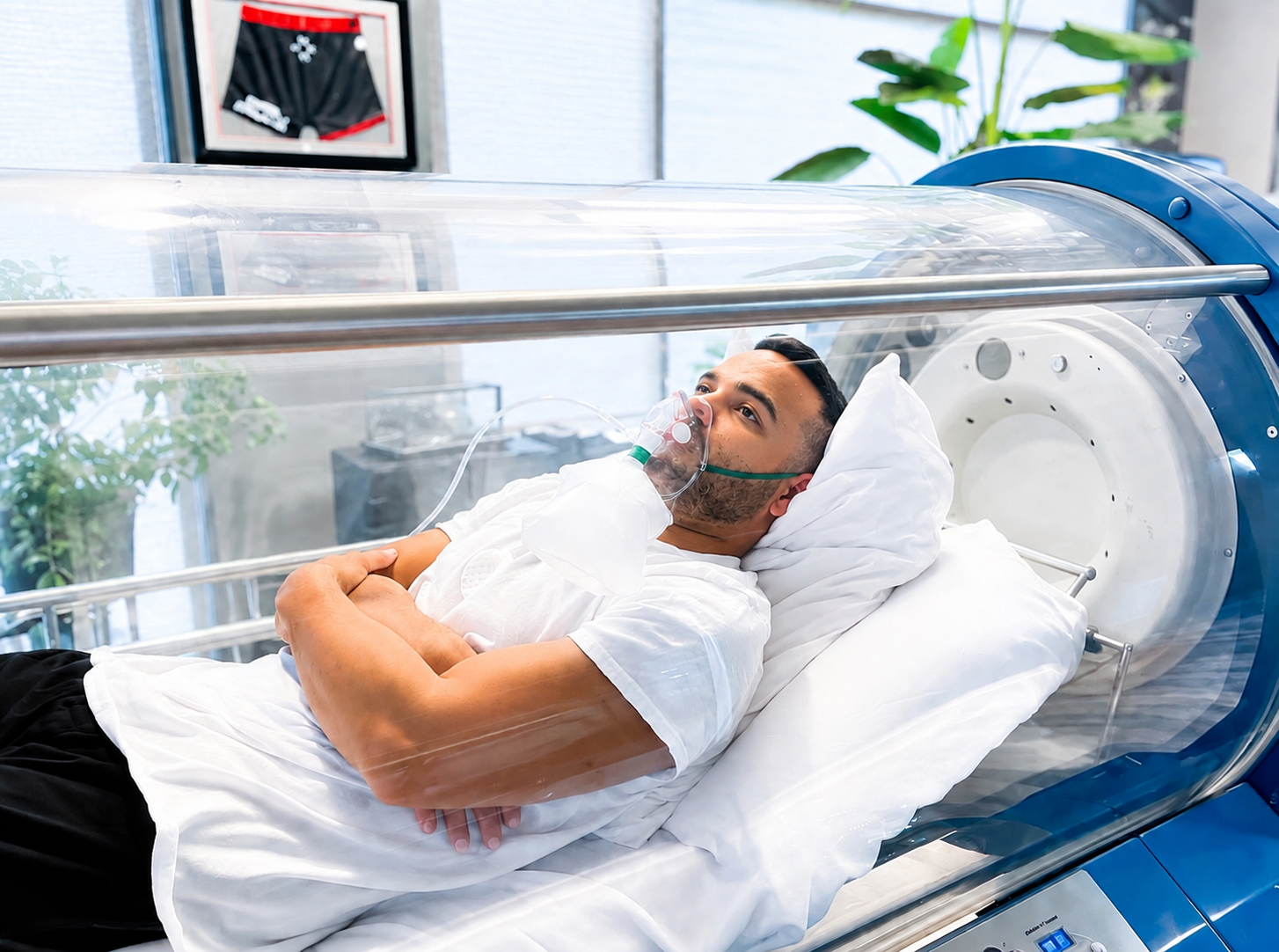
Hyperbaric Oxygen Therapy (HBOT) increases the amount of oxygen available to tissues under pressure. This enhanced oxygen availability can influence biological processes involved in wound healing, tissue repair, angiogenesis, inflammation, and host defense.
Oxygen Plays a Critical Role in Healing
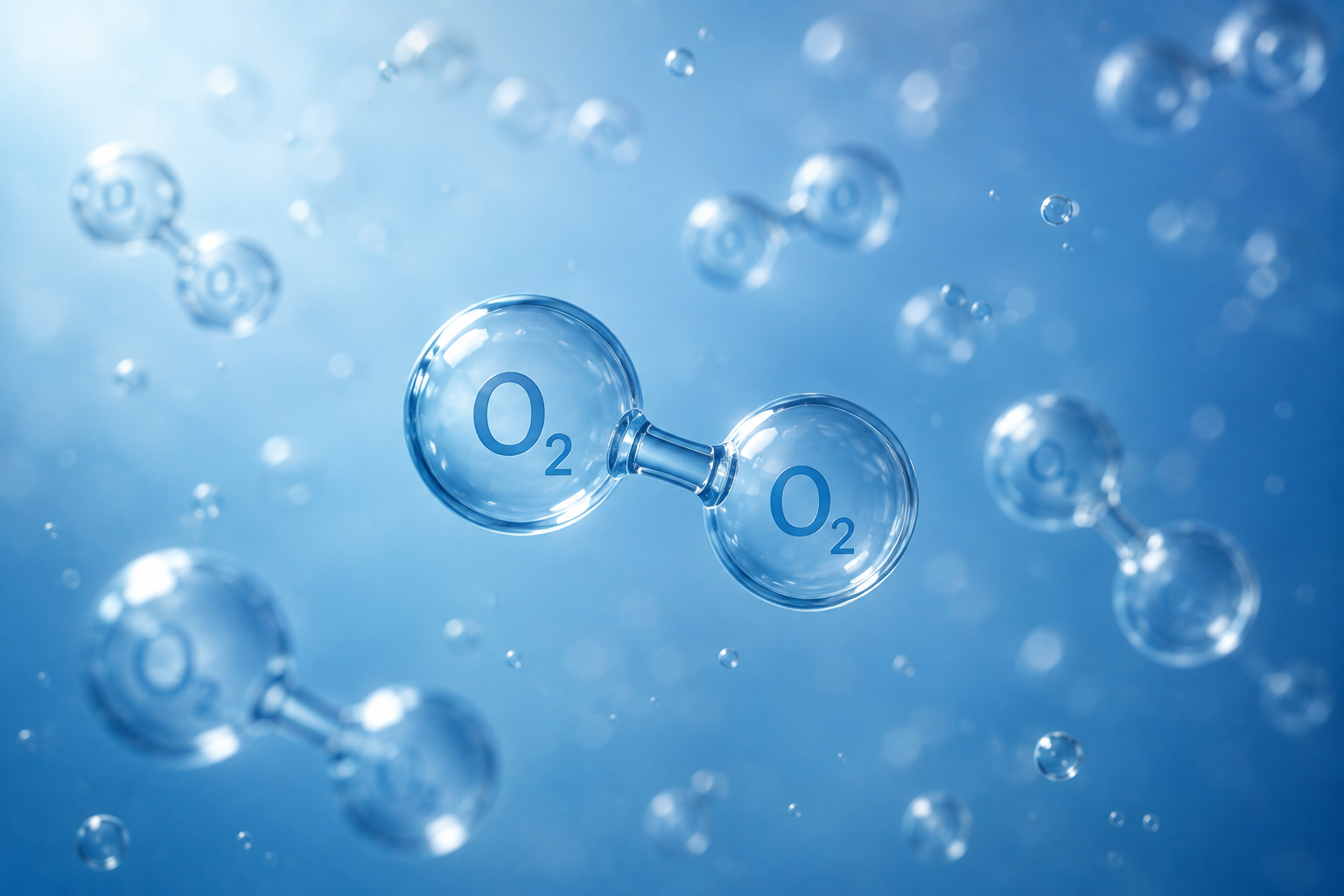
Every cell in the body depends on oxygen. When tissue is injured, inflamed, or has compromised circulation, the amount of oxygen reaching the affected area may be reduced.
During HBOT, increased pressure allows more oxygen to be carried in the bloodstream and delivered throughout the body, including areas where oxygen delivery may be compromised.
Physiological Effects of HBOT
Increased tissue oxygenation can influence several biological processes involved in healing and recovery. These physiological effects help explain how HBOT supports tissue repair and is used across a range of clinical applications.
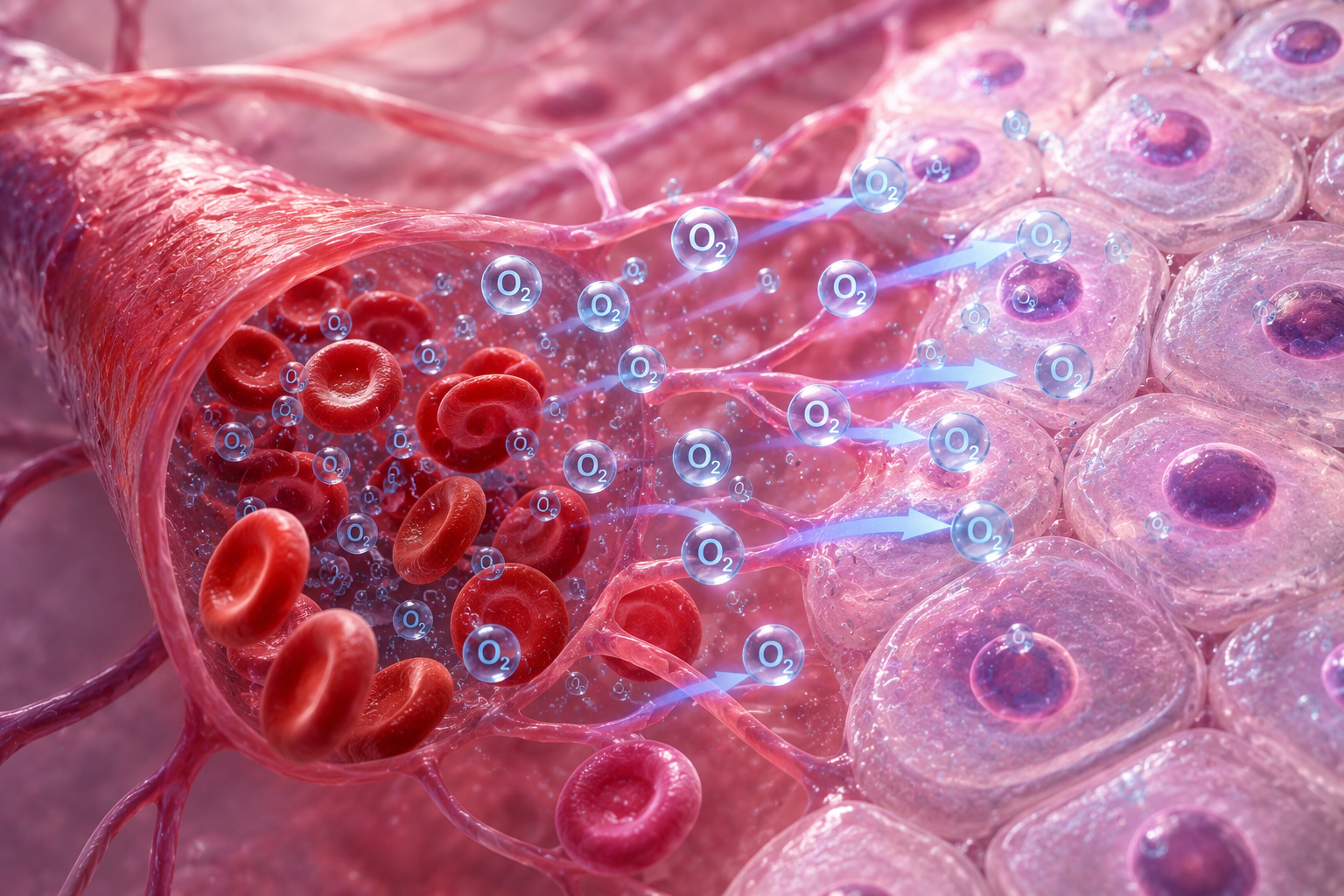
Increased Tissue Oxygenation
Elevates dissolved oxygen in plasma and increases oxygen availability to tissues, including areas where circulation may be compromised.
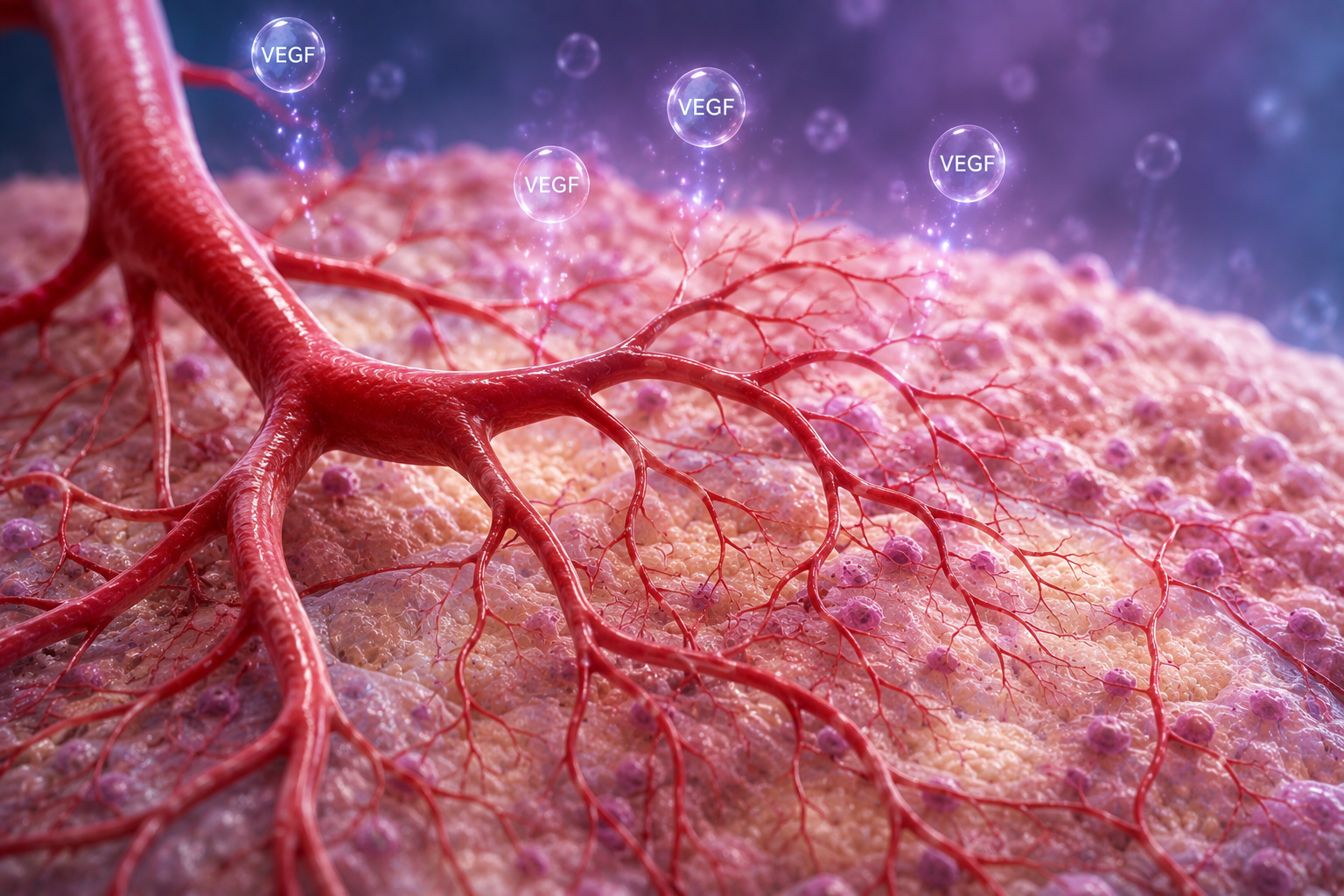
Angiogenesis & Neovascularization
Repeated hyperbaric oxygen exposure can stimulate signaling involved in the formation and development of new microvasculature.
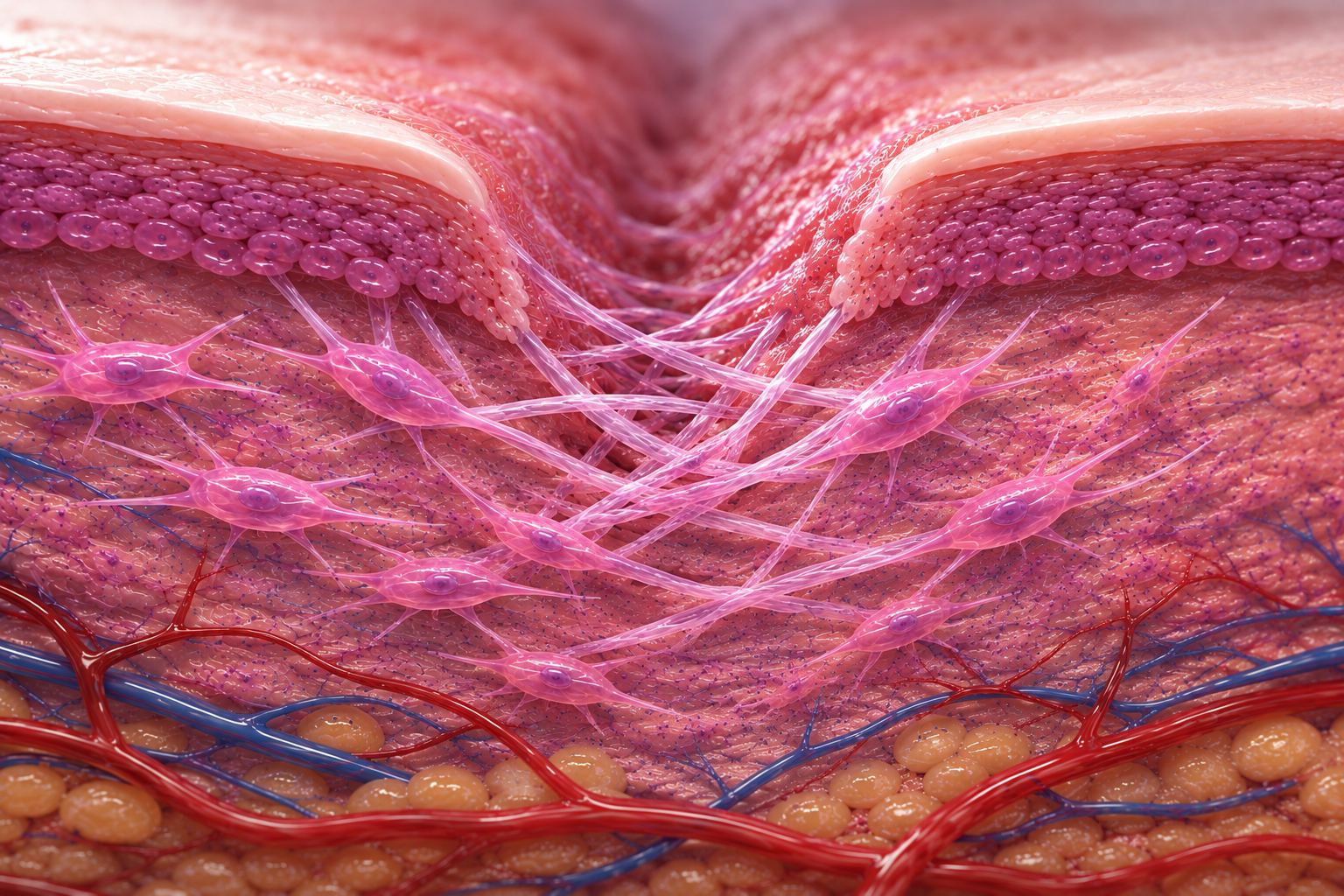
Collagen Synthesis & Wound Repair
Adequate oxygen is required for collagen formation and other oxygen-dependent processes involved in wound healing and tissue repair.
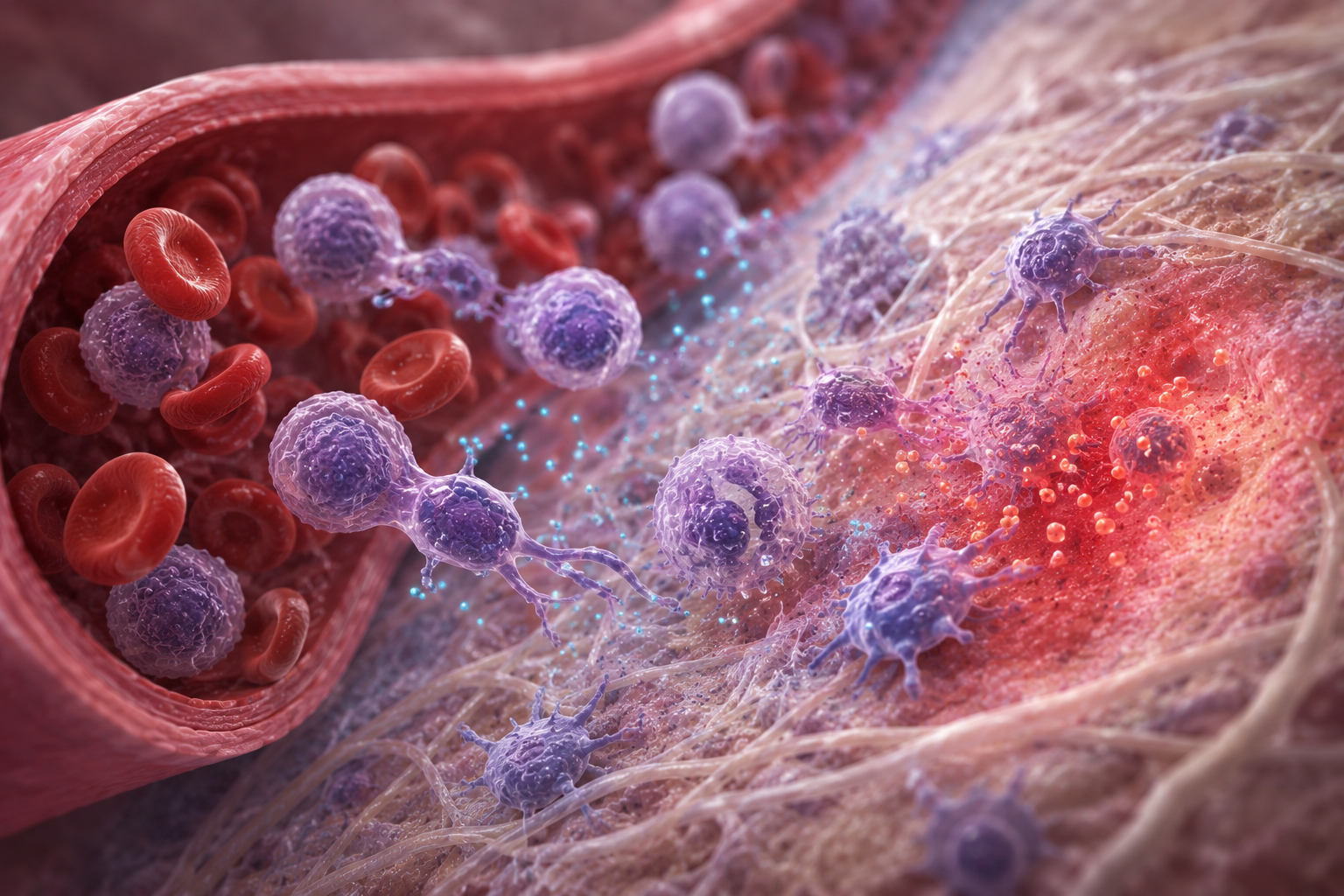
Modulation of Inflammatory Response
HBOT influences cellular and molecular pathways involved in inflammation and the physiological response to tissue injury.
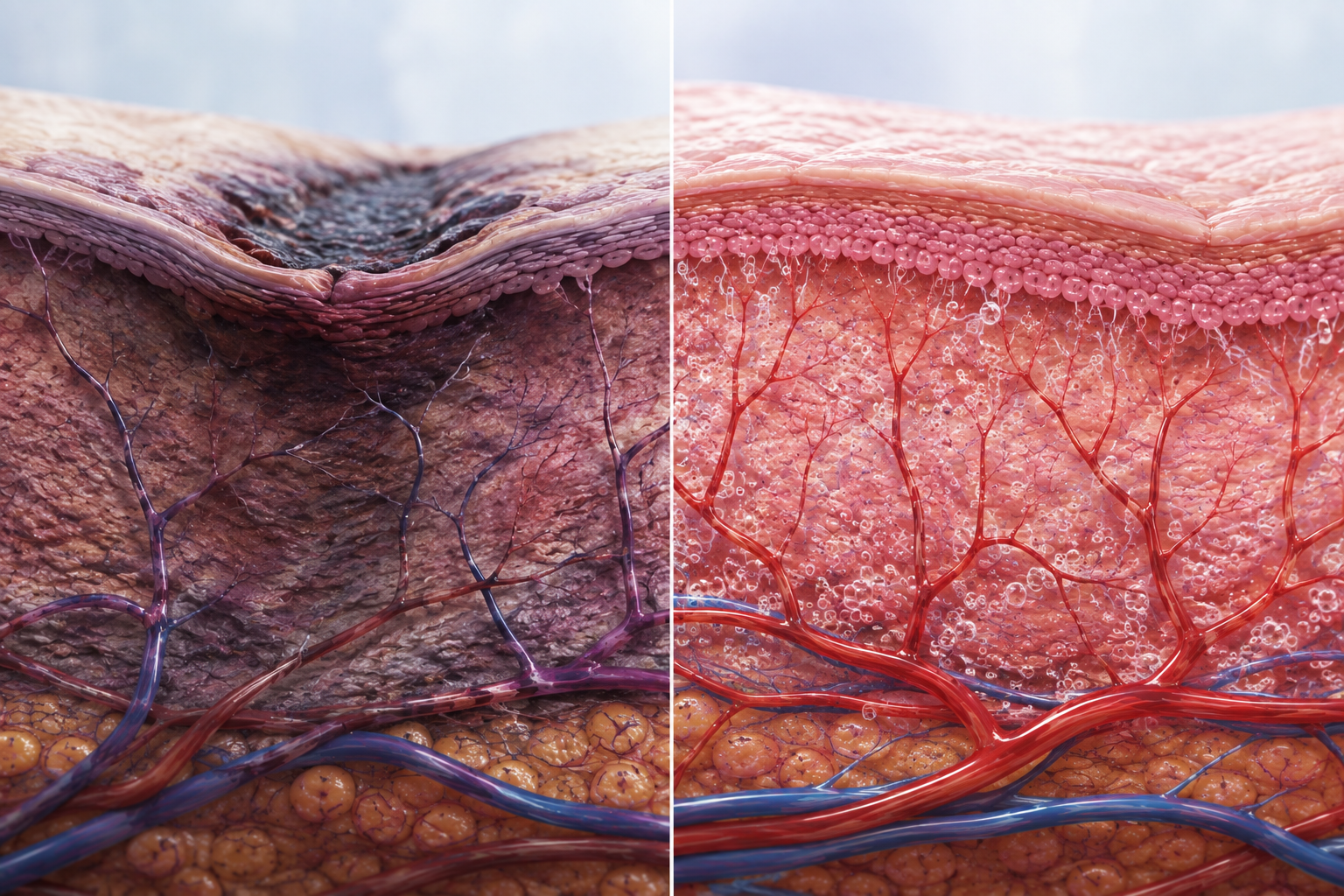
Support of Compromised Tissue
Increased oxygen availability can support metabolically stressed tissue and is clinically utilized in conditions such as compromised grafts and flaps.
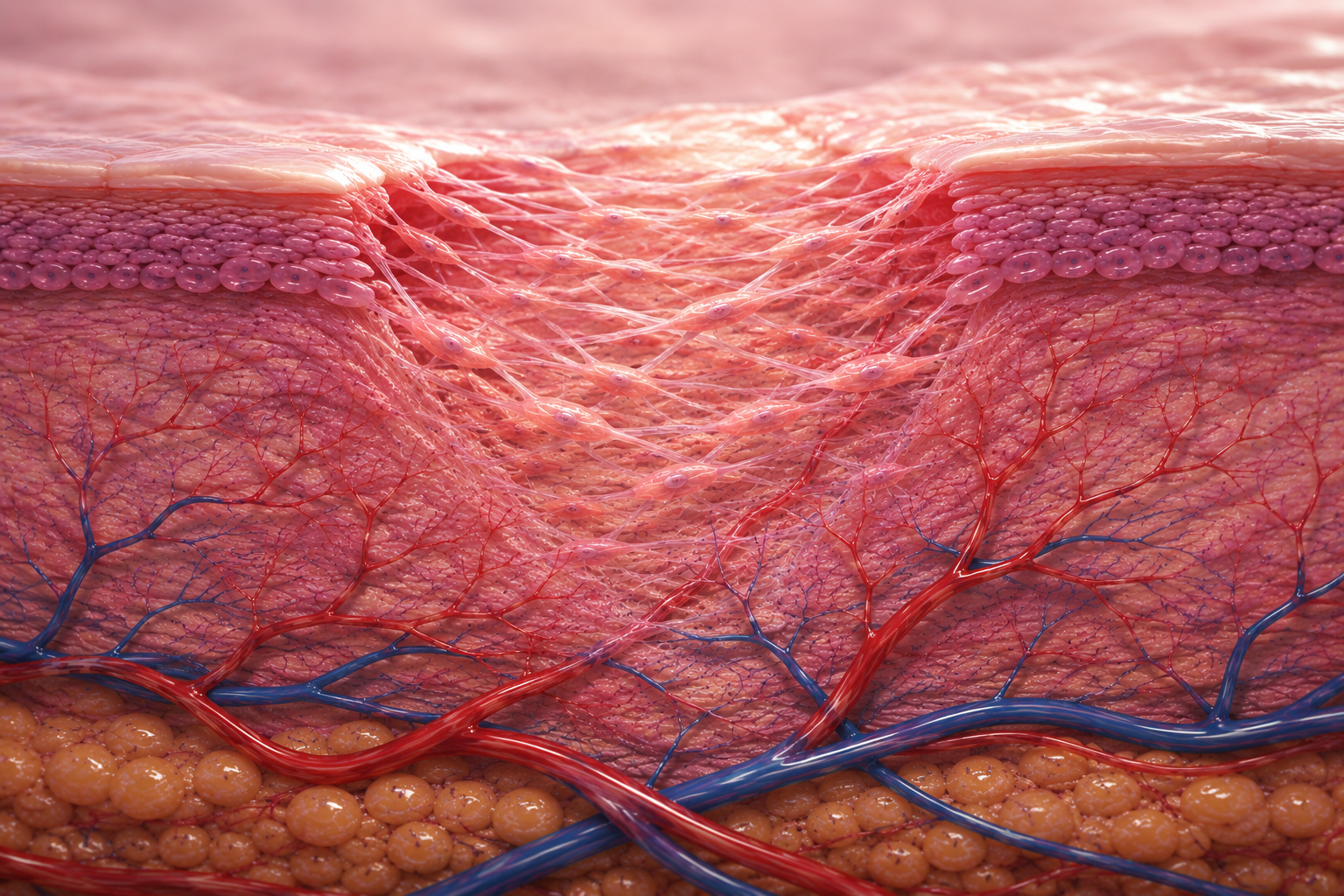
Tissue Repair & Recovery
Enhanced oxygen availability supports cellular metabolism and multiple biological processes required for tissue recovery and repair.
Beyond the Treatment: Supporting Long-Term Health
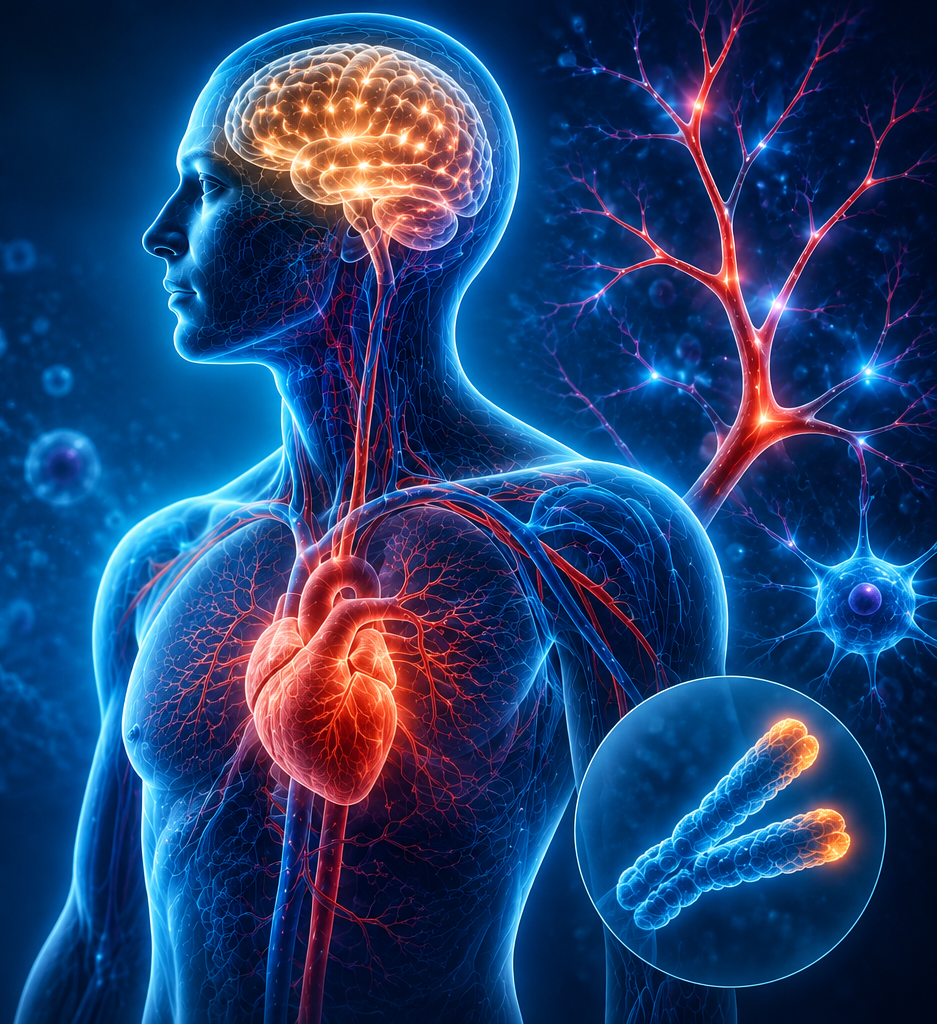
The effects of Hyperbaric Oxygen Therapy extend beyond increased oxygen availability during an individual session. Research continues to explore how repeated HBOT treatments may influence biological processes associated with vascular health, cellular repair, brain function, healthy aging, and overall quality of life.
Emerging research is also evaluating HBOT’s potential effects on neuroplasticity, cognitive performance, cellular senescence, and other biological markers associated with aging. While individual responses vary and many longevity applications remain areas of ongoing research, these findings continue to expand our understanding of HBOT and its potential role in long-term physical and cognitive health.
Clinical Research & Evidence
Explore the Science Behind
Hyperbaric Oxygen Therapy
Hyperbaric Oxygen Therapy has been studied across a range of medical conditions and physiological processes. Explore clinical research, peer-reviewed publications, and educational resources related to oxygenation, wound healing, angiogenesis, inflammation, and tissue repair.

Physical Enhancement of Older Adults Using Hyperbaric Oxygen: A Randomized Controlled Trial
Hadanny A, et al.
BMC Geriatrics. 2024;24:572.
This review examines emerging evidence on HBOT as a neuromodulatory therapy and its potential effects on neuroplasticity, brain recovery, neurogenesis, angiogenesis, and neurological function.
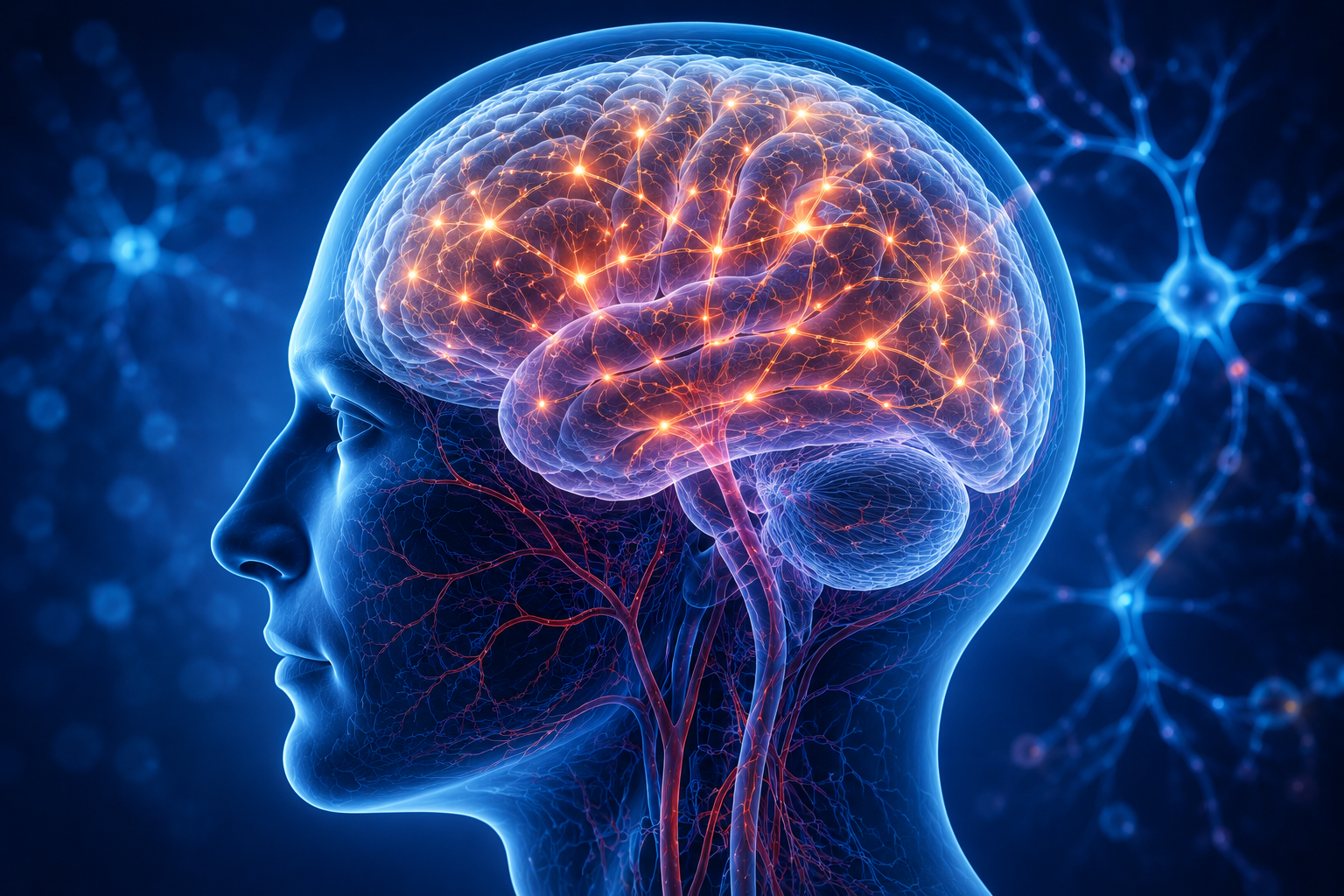
Hyperbaric Oxygen Therapy as a Neuromodulatory Technique: A Review of the Recent Evidence
Bin-Alamer O, et al.
Frontiers in Neurology. 2024;15:1450134.
This randomized controlled trial evaluated a 60-session HBOT protocol in adults over age 64 and reported improvements in measures of physical performance and cardiac perfusion compared with the control group.
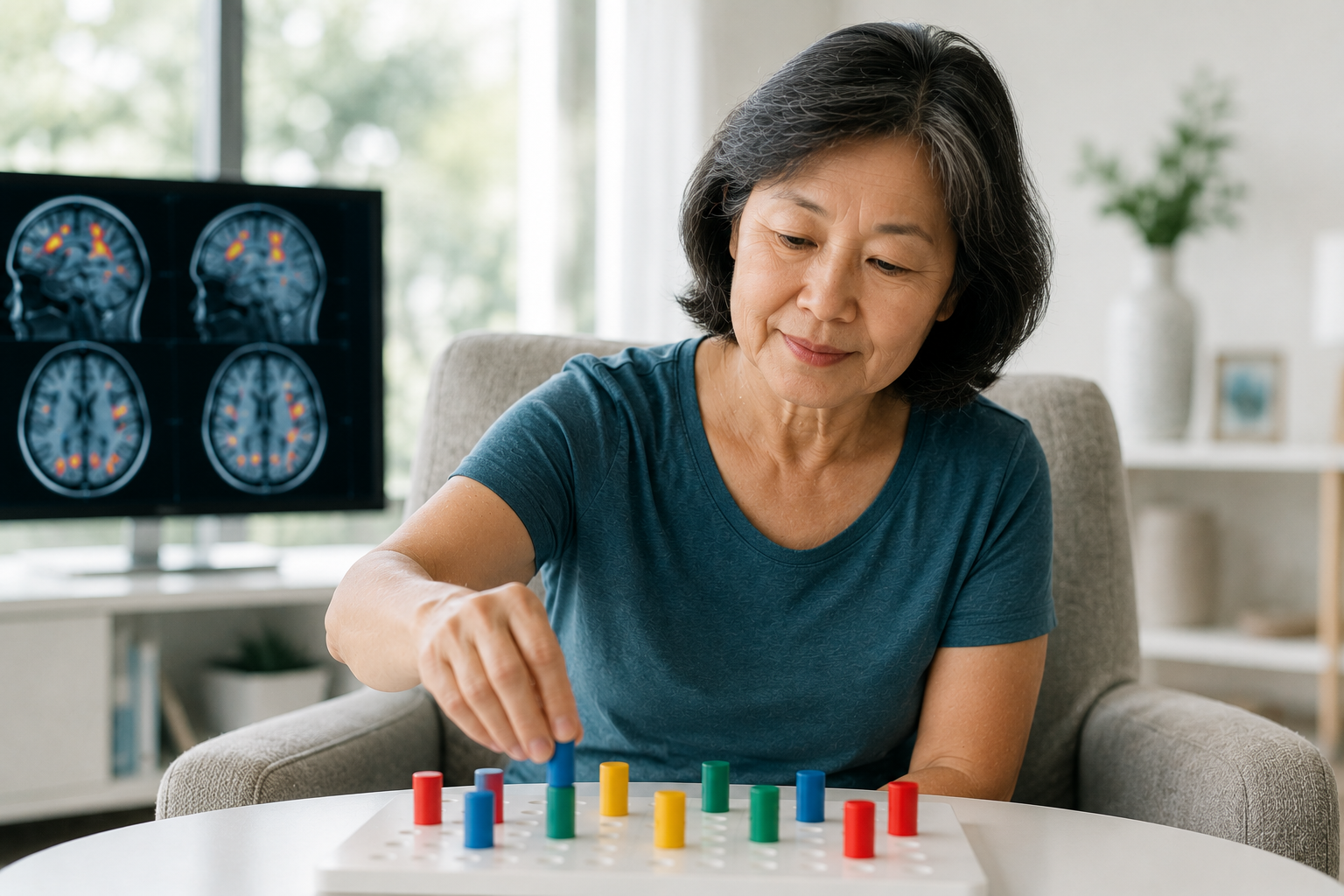
Functional MRI Evaluation of Hyperbaric Oxygen Therapy Effect on Hand Motor Recovery in a Chronic Post-Stroke Patient
Catalogna M, et al.
Frontiers in Neurology. 2023;14:1233841.
This case report evaluated a chronic post-stroke patient following 60 HBOT sessions and reported improvements in upper-limb motor function alongside fMRI changes consistent with increased brain activation and functional connectivity.

The Effect of Hyperbaric Oxygen on Compromised Grafts and Flaps
Francis A, Baynosa RC.
Undersea & Hyperbaric Medicine. 2017;44(5):423–431.
This review examines the use of HBOT in compromised grafts and flaps and describes how increased tissue oxygenation may support graft and flap survival, angiogenesis, and recovery in hypoxic or ischemic tissue.